Skip to content
Comparing BHRT Pellets vs. Creams: Absorption and Results
Bioidentical hormone replacement therapy (BHRT) has become a popular treatment option for individuals seeking to balance hormone levels effectively. Among the various methods available, BHRT pellet therapy and creams are two prominent delivery systems that offer unique mechanisms of hormone absorption and different outcomes. Understanding these differences is crucial for patients aiming to achieve optimal hormonal health. This article delves into the mechanics, benefits, and absorption rates of BHRT pellet therapy compared to creams, while addressing the nuances of therapy results and side effects.
What is BHRT Pellet Therapy and How Does it Differ from Creams?
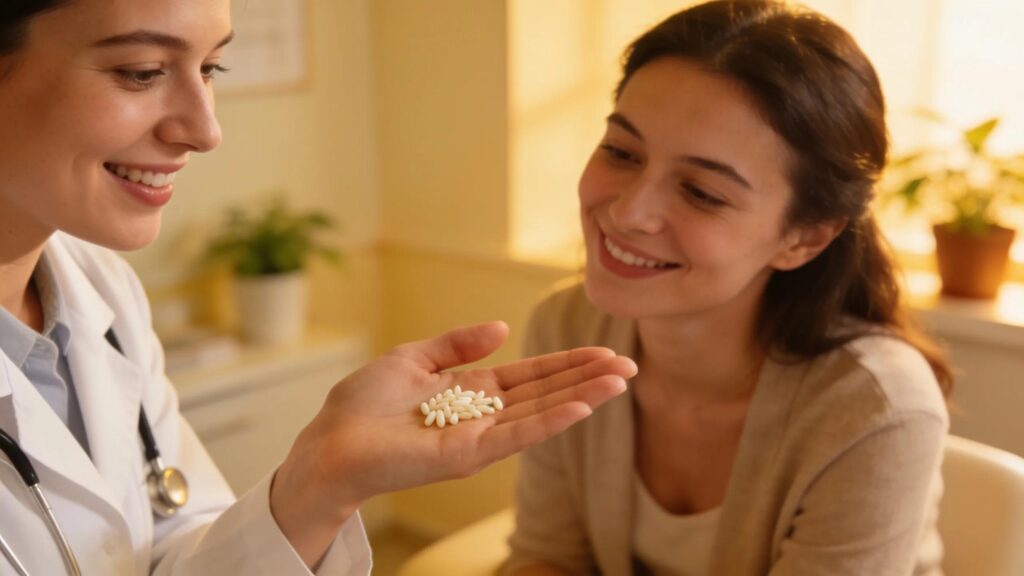
BHRT pellet therapy involves the insertion of small, rice-sized pellets under the skin, which release bioidentical hormones consistently over time. Unlike creams that are applied topically and absorbed through the skin, pellets provide a direct and sustained hormone release into the bloodstream. This unique mechanism enables a more stable delivery of hormones compared to the fluctuating hormone levels often associated with creams. Patients may prefer pellet therapy for its convenience and efficacy in maintaining hormonal balance.
BHRT Pellet Therapy Overview
BHRT refers to hormones that are chemically identical to those the human body produces. The therapy begins with a comprehensive assessment of hormone levels through blood work. Following this, the appropriate dosage of bioidentical hormones is encapsulated in pellets that are implanted subcutaneously, usually in the hip area. One of the key differences between pellet therapy and synthetic hormones is the physiological compatibility of bioidentical hormones, which are generally better tolerated by the body.
How Do Bioidentical Hormone Pellets Work?
Bioidentical hormone pellets work by slowly releasing essential hormones such as estrogen and testosterone into the bloodstream over several months. This method ensures a consistent and stable hormone level, minimizing the peaks and valleys that can occur with other delivery methods, particularly creams. The insertion of pellets is typically performed under local anesthesia, making the process quick and relatively painless.
What Are the Benefits of Pellet Therapy Compared to Creams?
Pellet therapy offers several advantages over creams, making it a favored choice for many patients:
- Consistent Hormone Levels: Pellets provide a steady release of hormones, reducing the risk of fluctuating levels that can lead to hormonal imbalances.
- Convenience: Patients do not need to remember daily applications, which can sometimes lead to missed doses and inconsistent hormone levels.
- Long-Lasting Effects: The effects of one pellet insertion can last for several months, unlike creams that require regular application.
Additionally, patient testimonials indicate a higher satisfaction rate with pellet therapy when compared to creams, primarily due to the improved stability of hormone levels.
How Do Absorption Rates Compare Between BHRT Pellets and Creams?

Understanding the absorption rates of hormone delivery methods is crucial for assessing their effectiveness. In the case of creams, absorption depends on factors such as skin thickness, application site, and individual skin characteristics. Pellets, on the other hand, bypass these variables, which can lead to more uniform and reliable absorption rates.
What Factors Affect Hormone Absorption in Pellets and Creams?
Several factors influence hormone absorption rates, including:
- Skin Absorption Variability: Hormone creams can be affected by skin oils, hydration, or even the presence of lotions that may inhibit absorption.
- Pellet Consistency: Since pellets release hormones directly into the bloodstream, they are not subject to the variances seen with topical applications.
- Patient Factors: Individual metabolism and weight can also play significant roles in how hormones are absorbed and utilized by the body.
This understanding affirms that pellets often provide a more controlled hormone release than creams.
What Does Clinical Research Say About Pellet vs. Cream Absorption?
Clinical studies have shown that bioidentical hormone pellets generally exhibit a significantly higher absorption rate compared to creams. Research indicates that around 90% of pellet hormones reach effective blood plasma levels, whereas creams may have absorption rates as low as 50%, depending on various factors. This discrepancy in absorption efficacy underscores the preference for pellet therapy when optimal hormone levels are desired, particularly for conditions requiring precise hormonal balance.
What Are the Differences in Therapy Results and Side Effects Between Pellets and Creams?

Examining the therapy results and potential side effects associated with each delivery method reveals important distinctions vital for patient decision-making.
How Do Hormone Levels Stabilize Differently With Pellets vs. Creams?
With pellet therapy, hormone levels achieve stabilization much more effectively due to the continuous release mechanism. Patients often experience fewer side effects and hormonal fluctuations, which can lead to a more satisfying overall health experience. Creams, conversely, may result in significant peaks and troughs in hormone levels, potentially leading to anxiety and other discomforting symptoms.
What Side Effects Are Associated With Each BHRT Delivery Method?
- Pellet Therapy Side Effects: Local irritation at the insertion site.Potential for infection.Hormonal side effects if not dosed correctly.
- Cream Side Effects: Skin irritations or rashes at the application site.Hormonal imbalances due to inconsistent absorption rates.
Understanding these differences allows patients to make informed choices based on their health needs and lifestyle preferences.
How Does the Pellet Insertion Process Work Compared to Cream Application?
The insertion process for pellets is notably different from the application of creams.
What Is Involved in the BHRT Pellet Insertion Procedure?
The pellet insertion procedure typically involves the following steps:
- Preparation: Area is cleansed and numbed with a local anesthetic.
- Insertion: A small incision is made, and the pellet is inserted subcutaneously.
- Recovery: Minimal downtime with patients usually able to resume normal activities shortly afterward.
This efficient process ensures that patients can quickly transition into their hormonal optimization journey.
How Does Cream Application Differ in Convenience and Compliance?
Cream application often involves daily reminders and can be subject to inconsistency based on patient adherence. Patients may forget to apply their cream or apply it incorrectly, leading to ineffective hormone levels. The simplicity and consistency of pellet therapy eliminate these concerns, promoting better compliance and results.
What Membership and Appointment Options Does Youthful Obsession Offer for BHRT?
Youthful Obsession provides several membership options designed to facilitate access to BHRT therapies:
- Comprehensive Assessments: Detailed evaluations to tailor treatments to individual needs.
- Sustained Member Discounts: Savings for regular patients seeking ongoing hormone therapy.
- Flexible Appointments: Convenient scheduling to accommodate patient lifestyles.
This approach ensures that members receive consistent and effective support for hormone optimization.
How Can Patients Schedule an Appointment for Pellet Therapy?
Scheduling an appointment for pellet therapy is straightforward. Follow these steps:
- Complete Initial Consultation: Discuss specific health concerns and treatment goals.
- Receive Personalized Plan: Based on hormonal assessments, a tailored treatment strategy will be created.
- Book Follow-Up: Regular appointments to monitor hormone levels and adjust treatments as necessary.
Contacting Youthful Obsession is your first step towards achieving hormonal balance through personalized care.