Skip to content
Our Advanced Non-Surgical Facelift Techniques
As beauty treatments evolve, non-surgical facelift options have gained tremendous popularity among individuals seeking effective facial rejuvenation without the need for invasive surgeries. This article delves into the techniques, benefits, and potential outcomes of combining fillers, Sculptra, and laser technologies. Through an exploration of these methodologies, readers can gain insight into how these treatments work synergistically to restore youthful appearance while minimizing downtime. With a focus on understanding the mechanisms behind each treatment, this guide sheds light on how to choose the right options and what results can be expected. The exploration will cover key sections including the different techniques involved, their benefits, and how personalized plans can optimize results.
Techniques
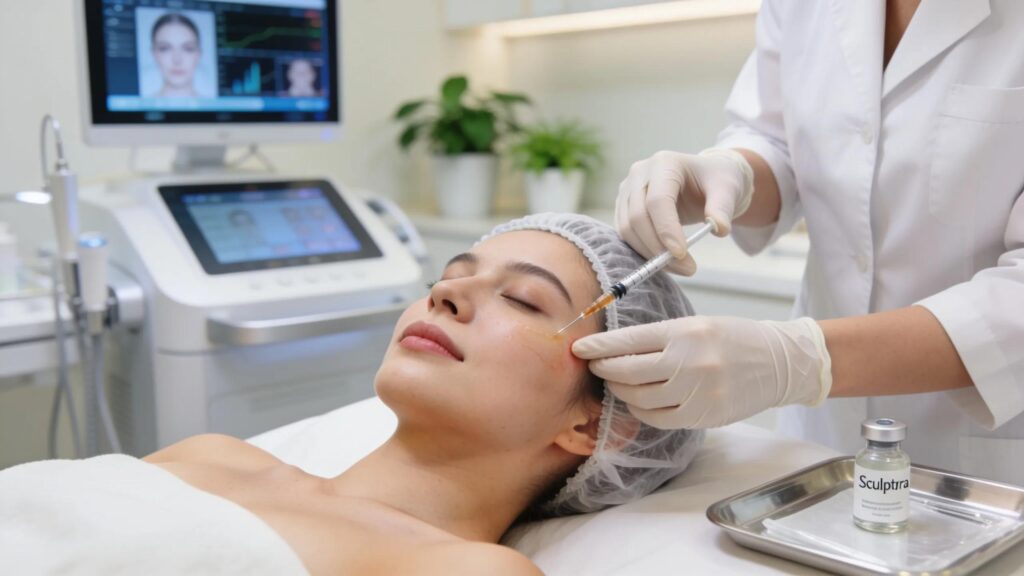
Non-surgical facelifts utilize various modern techniques to address signs of aging effectively.Dermal fillers are injectable substances that add volume and smooth out wrinkles, efficiently contouring the face. These fillers primarily consist of hyaluronic acid, which naturally occurs in the skin and helps retain moisture. Sculptra, on the other hand, is a unique treatment made from poly-L-lactic acid. This injectable stimulates collagen production, treating volume loss gradually over time. Unlike traditional fillers, which provide immediate results, Sculptra takes a bit longer to show effects but results in more natural-looking improvements that last longer.
Laser treatments are another integral part of non-surgical facelift techniques. They utilize focused light technology to tighten the skin, improve texture, and reduce pigmentation issues. Different types of lasers are employed based on individual skin types and concerns, ranging from ablative to non-ablative options. These modalities can be combined with fillers and Sculptra to enhance the overall revitalization of the facial appearance.
Benefits

The advantages of opting for non-surgical facelift options are numerous, making them increasingly popular:
- Minimal Downtime: Many prefer these treatments due to the quick recovery periods, often allowing individuals to resume their daily activities shortly after.
- Lower Risk Profile: Compared to surgical facelifts, non-invasive methods carry fewer risks, reducing the likelihood of complications and extensive scarring.
- Natural-looking Results: As these treatments can be layered and customized, they offer results that look more natural and subtly enhance one’s features.
These benefits resonate with many beauty seekers, as they encompass essential considerations for those weighing their options among rejuvenation treatments.
It is through the nuanced application of various techniques—including threads, injectables, and energy devices—that modern practitioners can offer a comprehensive non-surgical facelift, often referred to as the Thomas Lift (LLFR™).
Non-Surgical Facelift: Integrating Fillers, Lasers & Collagen Stimulation
Newer procedures which include different types of threads to lift tissues as well as stimulate collagen production, injectable drugs to reduce fat deposits, and energy devices to stimulate collagen remodelling have now appeared in the market. This chapter discusses the various newer non-surgical facial rejuvenation modalities and their integration with other time-tested non-surgical procedures such as fillers, botulin toxin, and lasers to offer the most powerful non-surgical facelift called the Thomas Lift (LLFR™).Newer approaches in non-surgical facial rejuvenation, 2021
Youthful Obsession offers an advanced selection of non-surgical facelift services that utilize fillers, Sculptra, and laser treatments. Understanding how these services work together can empower potential clients to make informed choices about their aesthetic goals.
Potential Outcomes
When undergoing non-surgical facelift options, clients can expect various positive results. Immediate improvements in volume and skin texture can be seen from dermal fillers. Following Sculptra injections, gradual enhancements occur as the body begins to produce more collagen, leading to lasting changes in facial contours over time. Laser treatments further complement these outcomes by providing skin tightening and a more radiant complexion.
Patients often report heightened self-confidence and satisfaction once they see the cumulative effects of these non-invasive treatments. Enabling natural rejuvenation through sophisticated techniques ensures that clients can achieve their desired aesthetic without the need for surgical intervention.
What Are Non-Invasive Facelift Treatments and Their Benefits?
Non-invasive facelift treatments encompass a spectrum of options designed to rejuvenate the face without surgery. These treatments typically include dermal fillers, Sculptra, and laser therapy, each providing unique benefits. The appeal lies in their ability to offer quick results, minimal downtime, and a lower risk of complications compared to traditional surgical approaches. This flexibility allows clients to choose treatments tailored to their specific needs and lifestyles.
How Do Injectable Facelift Treatments Restore Facial Volume?
Injectable treatments, such as dermal fillers and Sculptra, restore facial volume through different mechanisms. Dermal fillers provide immediate volume and correction by directly adding substance where needed. In contrast, Sculptra works subtly by stimulating the body’s collagen production over time. This gradual approach leads to a mature, more natural-looking enhancement, making it ideal for individuals seeking longer-lasting solutions.
This gradual, collagen-stimulating action is what sets Sculptra apart, offering natural-looking improvements that enhance features subtly without appearing overdone.
Sculptra for Natural-Looking Facial Rejuvenation
When it comes to facial rejuvenation, you probably want results that look natural subtle improvements that enhance your features without making it obvious you’ve had work done. Maybe you’ve tried dermal fillers before and noticed the instant volume they provide, but felt it sometimes looked a little artificial or overdone. That’s where Sculptra in. Unlike traditional fillers that give you instant plumpness, Sculptra works differently. It gradually encourages your body to produce collagen, so your skin slowly restores its natural structure over time. This means the changes are more subtle and develop in a way that feels very “you.”Is Sculptra More Natural-Looking?
What Results Can You Expect from Laser Skin Tightening?
Laser skin tightening offers significant enhancements in the quality and elasticity of the skin. Clients can expect improved skin texture, reduced fine lines, and a more youthful tone. The treatment also promotes collagen restructuring, which can revitalize tired, sagging skin. Typically, patients enjoy a smoother and tighter appearance following a series of laser treatments, leading to a more lifted look overall.
How Does Sculptra Stimulate Collagen Compared to Traditional Fillers?
Sculptra differentiates itself from traditional fillers through its collagen-stimulating properties. While traditional fillers offer immediate wrinkle reduction, Sculptra encourages the body to produce its collagen, leading to continuous improvement over months. This method provides a more natural and sustainable enhancement for those looking to fortify their skin’s structure.
What Is the Mechanism Behind Poly-L-Lactic Acid in Facial Rejuvenation?
Poly-L-lactic acid is the primary ingredient in Sculptra that helps rejuvenate the face. It works by promoting collagen synthesis, thus helping to restore lost facial volume over time. As the body’s fibroblasts respond to the poly-L-lactic acid, a more robust support structure for the skin is formed, which contributes to improved skin elasticity and appearance.
This mechanism highlights a broader trend in aesthetic medicine towards biostimulatory substances like PLLA, PCL, and CaHA, which regenerate dermal structure through controlled inflammatory responses, leading to prolonged aesthetic outcomes.
Injectable Biostimulators: PLLA, PCL, and CaHA for Facial Rejuvenation
In recent years, aesthetic medicine has witnessed a paradigm shift from conventional volumizing fillers toward regenerative, biostimulatory approaches that promote long-term skin health and natural rejuvenation. This analysis compares the most commonly used injectable biostimulators—poly-L-lactic acid (PLLA), polycaprolactone (PCL), and calcium hydroxyapatite (CaHA)—focusing on their mechanisms of action, clinical efficacy, safety profiles, and aesthetic indications. These agents stimulate neocollagenesis through controlled inflammatory responses, resulting in enhanced dermal structure and prolonged aesthetic outcomes. PLLA acts mainly via the TGF-β/SMAD pathway to promote type I collagen synthesis and fibroblast activation.The impact of injectable biostimulatory substances on current trends in aesthetic medicine: Focus on poly-L-lactic acid, polycaprolactone, and calcium hydroxyapatite, 2025
How Long Do Sculptra Results Last Compared to Hyaluronic Acid Fillers?
Generally, Sculptra results can last between 24 to 36 months, longer than hyaluronic acid fillers, which typically present results lasting between 6 to 12 months. This longevity results from Sculptra’s collagen-stimulating action, allowing for longer-lasting volume restoration compared to immediate, temporary filler effects.
Which Laser Facelift Technologies Are Most Effective for Skin Resurfacing and Tightening?
Different laser technologies provide varied results based on individual skin conditions and concerns. Fractional lasers create micro-injuries to the skin, stimulating healing and collagen regeneration, making them effective for reducing wrinkles and scars. Non-ablative lasers, on the other hand, work beneath the skin’s surface, promoting collagen production without interrupting the epidermis, thereby offering a gentler option suitable for many skin types.
What Are the Advantages of Fractional and Radiofrequency Lasers for Facial Skin?
The advantages of fractional and radiofrequency lasers contribute to their popularity in the non-surgical facelift sector:
- Non-Invasiveness: Both methods utilize advanced technology to achieve results without surgical intervention.
- Minimal Recovery Time: Patients tend to experience short recovery periods, returning to daily activities swiftly.
- Versatility: They can treat various issues, including texture irregularities, fine lines, and overall skin laxity.
These factors underscore the importance of laser technologies in complementing fillers and Sculptra as part of a comprehensive rejuvenation plan.
What Is the Typical Recovery Time for Laser-Based Non-Surgical Facelifts?
Recovery times for laser-based non-surgical facelifts vary, but generally, patients can expect a recovery period of around 24-72 hours for mild redness and sensitivity. More aggressive laser treatments may require a longer recovery period, ranging from several days to a week, depending on the individual’s skin response and the treatment’s intensity.
How Do Combination Facial Treatments Enhance Results Beyond Single Modalities?

Combining facial treatment modalities enhances results by addressing different layers and aspects of facial structure and skin quality. For example, using fillers to restore volume while applying lasers to improve skin texture can yield more comprehensive rejuvenation. Such a holistic approach maximizes the benefits of each treatment type, ensuring a harmonious balance between enhancement and preservation of natural beauty.
What Synergistic Effects Occur When Combining Fillers, Sculptra, and Lasers?
The synergistic effects from combining fillers, Sculptra, and laser treatments can lead to outstanding outcomes in facial rejuvenation. Fillers add immediate volume, while Sculptra stimulates collagen production over time, and lasers improve skin integrity, texture, and tone. This comprehensive methodology allows practitioners to target specific areas of concern, harmonizing various facial aesthetics for optimal results.
Why Is a Personalized Treatment Plan Crucial for Combination Therapy Success?
A personalized treatment plan is crucial because each patient’s skin type, concerns, and aesthetic goals are unique. Individualized assessments ensure that the chosen combination of treatments aligns perfectly with desired results. By tailoring therapy plans to each client’s needs, practitioners can optimize efficacy and satisfaction, significantly enhancing the chances of achieving the best results.
What Role Does Hormone Replacement Therapy Play in Supporting Skin Health and Rejuvenation?
Hormone replacement therapy (HRT) plays a supplementary role by addressing underlying hormonal factors that affect skin health, particularly in aging individuals. This therapy can potentially boost collagen production, improve skin texture, and help combat age-related changes as hormone levels decline.
How Does Hormone Therapy Complement Non-Surgical Facelift Procedures?
Incorporating HRT alongside non-surgical facelift procedures supports a more comprehensive approach to rejuvenation. By enhancing overall skin health, hormone therapy can lead to improved outcomes for treatments like fillers and Sculptra, ensuring that clients not only look youthful immediately post-treatment but also sustain those effects over time.
Who Are the Ideal Candidates for Combined Facial and Hormone Replacement Treatments?
Ideal candidates for combined facial and hormone replacement treatments typically include individuals experiencing signs of aging, such as skin laxity and volume loss, along with symptoms of hormonal imbalance like dryness and reduced elasticity. This multifaceted approach can be particularly beneficial for those who desire a holistic improvement to their facial aesthetics.
How Do Membership and Maintenance Programs Enhance Access to Non-Surgical Facelift Options?
Membership and maintenance programs offer clients greater accessibility to non-surgical facelift options. Such programs often provide discounted services, ensuring that clients can undergo necessary treatments regularly without financial burden, thereby enhancing long-term skincare results.
What Are the Benefits of Membership Plans for Long-Term Facial Rejuvenation?
Membership plans present several benefits for individuals committed to long-term facial rejuvenation, including:
- Financial Savings: Regular members often enjoy discounts on services and products.
- Exclusive Access: Members may receive priority booking and exclusive invites to special events or promotions.
- Consistent Care: Regular treatments ensure that improvements in skin quality and appearance are maintained over time.
Having a structured plan significantly aids clients in achieving their aesthetic goals while fostering their commitment to self-care and overall wellness.
How Can Clients Schedule and Maintain Their Treatment Journey Effectively?
To optimize their treatment journey, clients should consider scheduling regular consultations and treatments in advance. Staying consistent with maintenance sessions while tracking their progress through before-and-after evaluations can also help them maximize results. Effective communication with practitioners about expectations and concerns further ensures a smooth experience throughout the rejuvenation process.
Different non-surgical facelift options can provide substantial benefits for aging skin when approached thoughtfully. Engaging in a tailored combination of treatments could pave the way for achieving the desired youthful appearance in a convenient and effective manner.